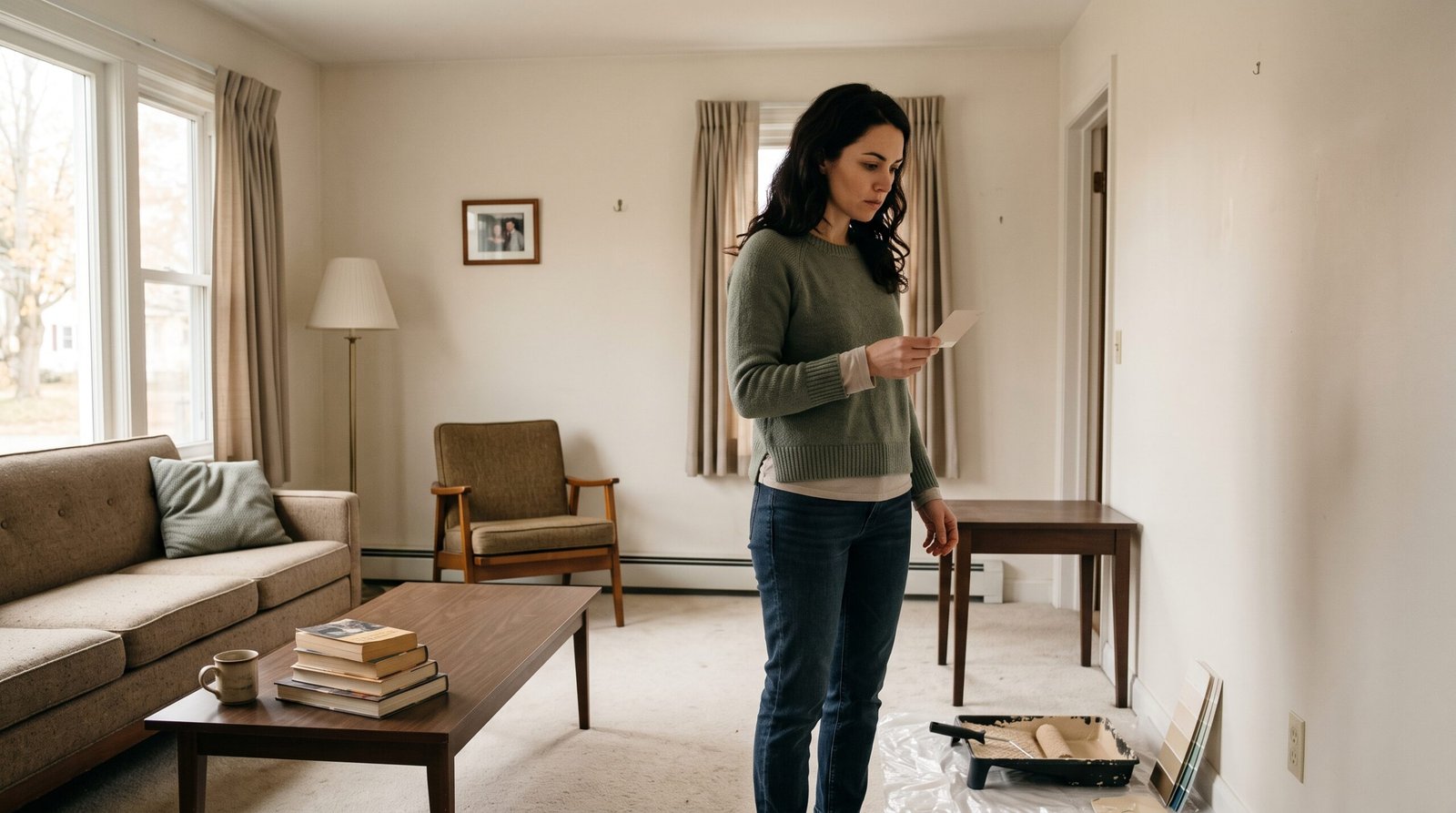
Decorating your home does not have to mean buying expensive furniture, replacing everything at once, or following every new trend. Sometimes, the biggest difference comes from a few simple changes that make an ordinary room feel more intentional.
The good news is that you can create beautiful pieces yourself using affordable materials, items you may already have, and a little creativity.
These easy DIY home decor projects are designed for real homes, not perfect showrooms. Some are practical, some are decorative, and others simply give something you already own a fresh purpose. The goal is to create a home that feels warm, personal, and pulled together without spending a fortune.
Whether you live in a house, apartment, rental, or smaller space, these projects can help you refresh your surroundings one small project at a time.
1. Create a Simple Gallery Wall
A blank wall can make a room feel unfinished, but you do not need expensive artwork to give it personality.
Create a simple gallery wall using a combination of inexpensive frames, family photographs, printable artwork, botanical illustrations, or pages from an old calendar.
The key to making the arrangement look more expensive is consistency.
Choose frames in one or two finishes rather than using completely unrelated styles. Black, natural wood, white, or warm metallic frames can all work beautifully depending on the room.
Before putting holes in the wall, arrange the frames on the floor. Move them around until you find a composition that feels balanced.
You can also use removable picture-hanging strips if you are renting or simply want to avoid unnecessary holes.
For a more sophisticated appearance, leave similar spacing between the frames and avoid trying to fill every inch of the wall.
2. Turn an Ordinary Mirror Into Statement Decor
A basic mirror can become a surprisingly beautiful decorative feature with a simple frame makeover.
If you already have an inexpensive mirror at home, consider painting its frame instead of buying a new one.
Warm white, matte black, muted green, soft beige, or a natural wood effect can completely change the appearance.
Before painting, clean the surface thoroughly and prepare the material according to the type of paint you are using.
You can also add a decorative frame around a frameless mirror using lightweight molding or trim.
For a bedroom or entryway, a large mirror can make the space feel brighter and more open while also serving a practical purpose.
The transformation does not have to be dramatic. Sometimes changing the frame is enough to make an inexpensive mirror look much more intentional.
3. Make a Decorative Tray From a Thrifted Find
Decorative trays are useful throughout the home, but you do not have to buy one specifically designed for decor.
Look for a simple wooden tray, old serving tray, or inexpensive thrift-store piece.
If the surface is in good condition, you may only need to clean it and add a protective finish.
For a completely different look, paint it in a color that works with your existing decor.
A neutral tray can hold candles, books, a small vase, or everyday objects on a coffee table. A smaller tray can organize perfume bottles, skincare products, or jewelry on a bedroom dresser.
The secret is to avoid overcrowding it.
A few carefully chosen objects usually look more sophisticated than a tray covered with decorations.
4. Refresh an Old Lampshade
Lighting has a huge effect on how a room feels, but replacing lamps can become expensive.
Instead, look at the lampshades you already have.
A plain lampshade can sometimes be refreshed with fabric, ribbon, trim, or even a new coat of appropriate paint, depending on the material and manufacturer’s recommendations.
For a subtle update, add a narrow fabric trim around the top or bottom edge.
If the shade is fabric and structurally sound, you can also explore recovering it with a material that complements your room.
Always make sure any added material is appropriate for the lamp and does not interfere with the bulb, heat, or electrical components.
A refreshed lampshade can make an older lamp feel much more current without requiring you to replace the entire fixture.
5. Create a Cozy Reading Corner
You do not need a large room to create a small reading corner.
Look for an unused corner near a window, beside a bookshelf, or at the end of a bedroom.
Start with a comfortable chair or even a small bench. Add a soft throw, a pillow, a small side table, and a reading lamp.
You can make the area feel more intentional by choosing accessories that share similar colors and textures.
For example, combine warm beige, cream, natural wood, and muted green for a calm and timeless look.
The important part is creating a space that has a purpose.
Instead of decorating an empty corner simply because it is empty, turn it into somewhere you actually want to spend time.
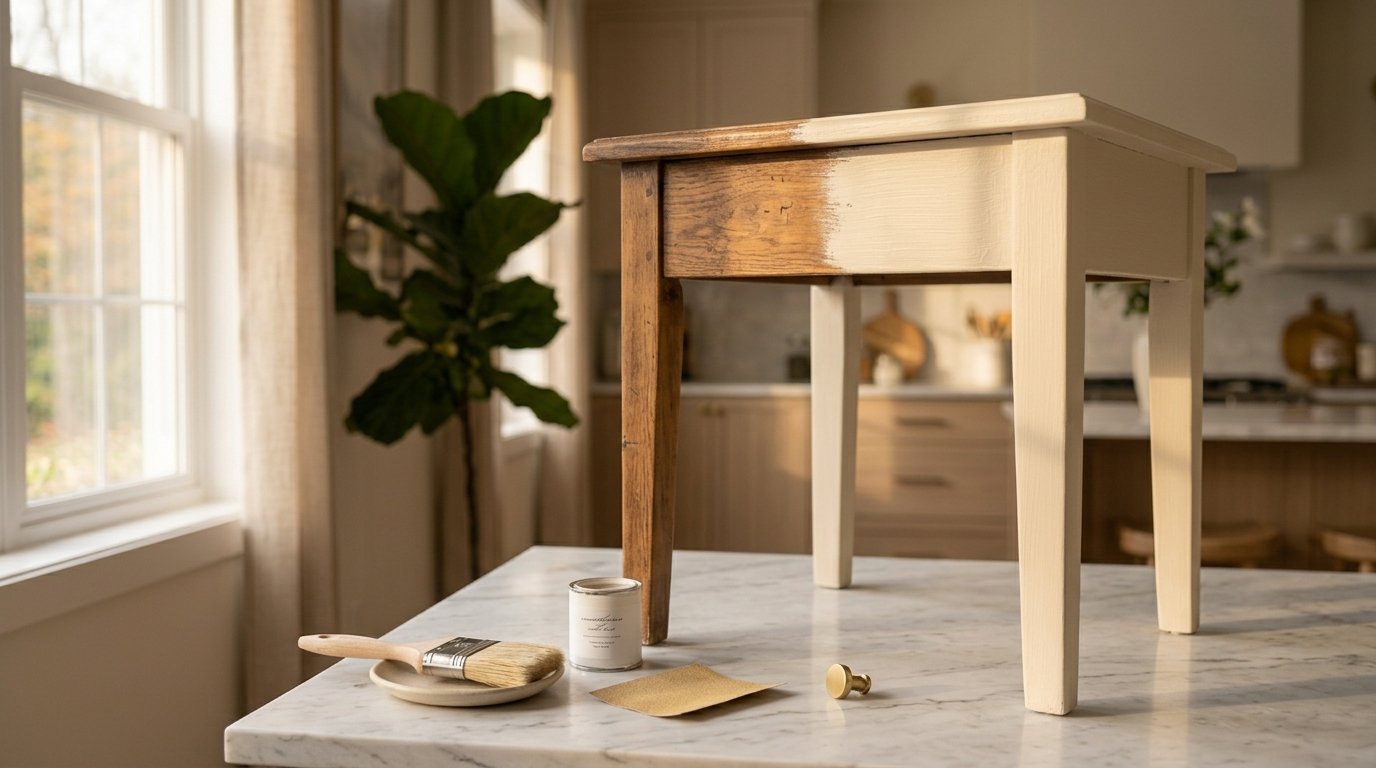
6. Give a Small Piece of Furniture a New Finish
One of the most effective easy DIY home decor projects is also one of the simplest: repaint something you already own.
A small side table, stool, nightstand, plant stand, or wooden shelf can often look completely different after a careful paint makeover.
Before painting, clean the furniture thoroughly and follow the appropriate preparation steps for the existing finish.
Depending on the material, this may include light sanding, priming, and using paint designed for that surface.
Choose a color that complements your room rather than simply choosing the color you happen to like most.
Soft cream can make a piece feel classic. Deep green can create a more dramatic accent. Warm beige can blend naturally with neutral interiors.
For an even more polished result, replace old hardware with simple new knobs or pulls.
The combination of fresh paint and updated hardware can make an inexpensive or dated piece look surprisingly refined.
7. Make a No-Sew Fabric Wall Hanging
If you want to add texture to a room without creating complicated artwork, try making a simple fabric wall hanging.
You can use a piece of linen, cotton, canvas, or another attractive fabric.
Choose a material with a color or pattern that complements the room, then attach it to a simple wooden dowel.
You can leave the bottom edge natural, create a straight hem, or carefully add fringe depending on the style you want.
This type of decor works especially well above a small desk, behind a bed, in a reading corner, or on a narrow wall where framed artwork might feel too formal.
Natural fabrics can also add warmth to rooms that contain a lot of hard surfaces such as glass, metal, or painted furniture.
The result can look custom-made without requiring advanced sewing skills.
8. Turn a Plain Planter Into a Decorative Accent
Plants already bring life into a room, but the container can make a big difference.
Instead of buying a collection of expensive decorative planters, refresh inexpensive ones yourself.
A plain ceramic planter can be painted in a soft neutral color, decorated with a simple geometric pattern, or paired with a woven basket.
You can also use an attractive container as an outer cover for a standard nursery pot.
Just make sure the actual plant has appropriate drainage and that excess water is not allowed to collect where it could damage furniture.
For a coordinated look, repeat one or two colors throughout several planters rather than making every container completely different.
A small group of plants at different heights can create more visual interest than a single plant placed by itself.
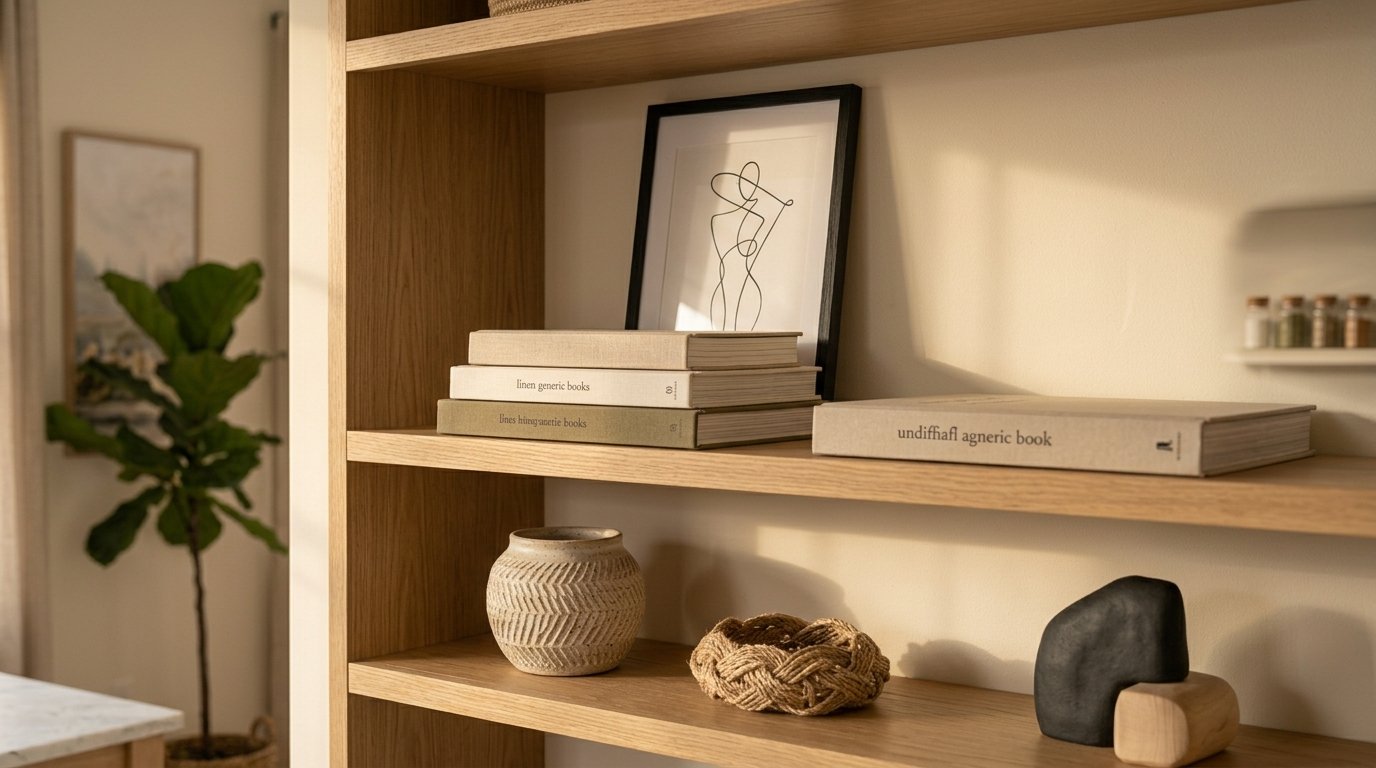
9. Create a Layered Shelf Display
Open shelves can easily become cluttered, especially when every available space is filled with small decorative objects.
Instead of adding more, try rearranging what you already have.
Start with larger pieces such as framed artwork, books, baskets, or vases. Then add smaller objects around them.
Vary the height of the items and leave some empty space between groups.
One simple formula is to combine:
- Something tall
- Something horizontal
- Something textured
- Something personal
- A small decorative accent
You do not need all five categories on every shelf.
The goal is to create small visual groupings instead of a collection of unrelated objects.
Books can also be useful for adding height. Stack two or three together and place a small decorative object on top.
This simple technique can make inexpensive decor look much more intentional.
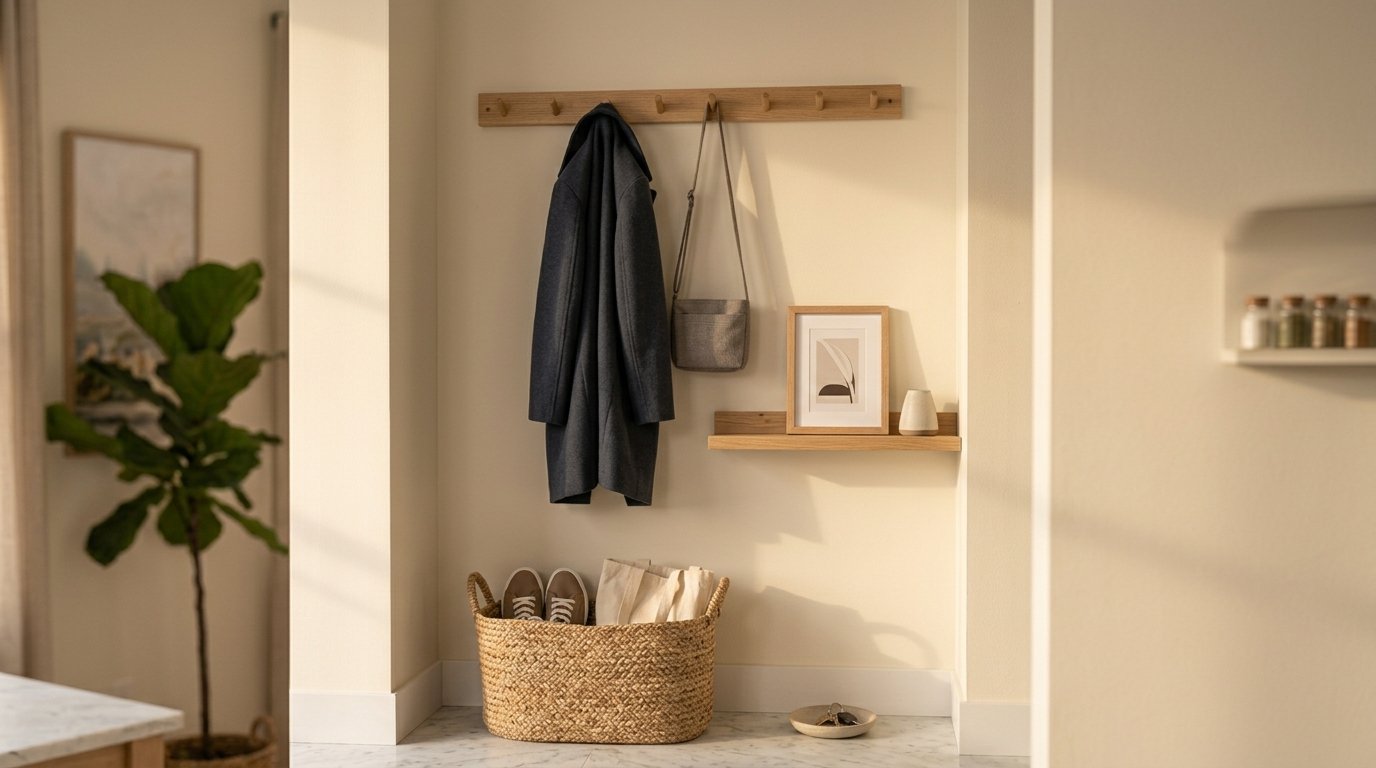
10. Make a Simple Entryway Drop Zone
A beautiful home also needs to work well.
One of the most useful easy DIY home decor projects is creating a small drop zone near your entrance.
You do not need a large mudroom.
A narrow wall can hold a few hooks, a small shelf, or a simple peg rail. Add a basket underneath for shoes, reusable shopping bags, scarves, or other everyday items.
If you have a small console table, use a tray to collect keys and other small items.
The trick is to give frequently misplaced objects a specific home.
You can also personalize the area with a framed print, small plant, mirror, or decorative basket.
When practical storage is also attractive, it becomes part of the decor rather than something you try to hide.
How to Make DIY Decor Look More Expensive
The materials you use are only part of the equation. The way you combine them often has an even bigger effect.
Choose Fewer Colors
A simple color palette can immediately make a room feel more cohesive.
You do not have to use only neutrals, but try repeating a few colors throughout the room.
For example, cream, warm wood, muted green, and black accents can work together without feeling overly coordinated.
Mix Textures
Texture helps inexpensive decor feel richer.
Combine smooth surfaces with materials such as linen, woven baskets, wood, ceramic, cotton, or aged finishes.
A room filled with identical smooth surfaces can feel flat, while a mixture of textures creates depth.
Leave Some Empty Space
One of the biggest mistakes in DIY decorating is assuming that every empty surface needs something on it.
It does not.
Empty space helps the pieces you love stand out.
Instead of covering a shelf with ten small objects, try three or four pieces arranged with enough room around them.
Repeat Materials
If you use natural wood in one part of the room, repeat it somewhere else.
If you use black frames on the wall, consider adding another small black accent nearby.
Repeating materials creates visual connections that can make inexpensive pieces feel like part of a complete decorating plan.
Focus on Function
The most successful home decor usually combines beauty and usefulness.
A tray that organizes clutter, a basket that stores blankets, a mirror that reflects light, or a shelf that displays books can all serve a purpose while making the room more attractive.
How to Choose the Right DIY Project for Your Home
Before starting another project, take a few minutes to look at the room you want to improve.
Ask yourself what actually bothers you.
Is there too much clutter?
Does the room feel cold?
Is one wall completely empty?
Does an old piece of furniture look tired?
Or does the space simply need better organization?
Starting with the problem will usually produce a better result than starting with a craft you saw online.
If your living room feels cluttered, a decorative storage project may be more useful than another piece of wall art.
If the room feels plain, adding texture or improving the lighting may have a bigger impact.
This approach also helps prevent your home from becoming filled with DIY projects that look nice individually but do not work together.
A Budget-Friendly Way to Refresh Your Home
You do not have to decorate your entire home in one weekend.
Choose one room and identify the area that needs the most attention.
Then look around before buying anything.
You may already have a frame that could be repainted, a tray that could be refreshed, fabric that could become wall decor, or a small table that simply needs a new finish.
If you do need supplies, make a short list before shopping.
For paint projects, proper surface preparation matters. Manufacturer instructions can help you choose the appropriate preparation and paint for different materials. For example, you can consult Benjamin Moore’s surface preparation guide for general preparation information.
The goal is not to spend as little as possible at any cost. It is to spend intentionally on changes that will genuinely improve how your home looks and functions.
Easy DIY Home Decor That Actually Feels Like Your Home
The best decorating projects are not necessarily the most complicated or expensive ones.
A freshly painted side table, a carefully arranged shelf, a simple fabric wall hanging, or a small entryway storage area can make an ordinary room feel more thoughtful.
And because you are creating or refreshing the pieces yourself, you have more control over the colors, textures, size, and function.
If you want to continue creating a warm home on a budget, take a look at our related guide, 10 Cozy Fall Living Room Decor Ideas on a Tight Budget for more affordable decorating inspiration.
You do not need to change everything at once. Start with the one corner, wall, or piece of furniture that has been bothering you the most.
A small improvement can change how you feel about an entire room.
That is what makes easy DIY home decor so worthwhile: you can create a home that feels more beautiful and more functional without needing a huge budget or a complete makeover.

Post Comment